JOSH TRAVEL

near future plans:

argentina, australia, belgium, bolivia, brazil, egypt, germany, greece, iceland, india, peru, sweden, turkey

AUSTRALIA

AFRICA

ASIA

EUROPE

N. AMERICA

S. AMERICA

email me

JOSHBFISHER@GMAIL.COM

JUST ADDED

MALAYSIA

     kuala lumpur

     kuala terrenganu

     pulau redang

VIETNAM

     ho chi minh city

CAMBODIA

     siem reap

THAILAND

     bangkok

     sukhothai


   africa

      morocco

         tetuan (and tangier)


   asia

      cambodia

         siem reap

      china

         beijing

         guangzhou

         hong kong

      israel

         eilat

         haifa

         jerusalem

         tel aviv

      japan

         kyoto (and nara)

         tokyo

         yokohama

      malaysia

         kuala lumpur

         kuala terrenganu

         pulau redang

      s. korea

         seoul

      thailand

         bangkok

         sukhothai

      vietnam

         ho chi minh city


   europe

      austria

         vienna

      czech

         prague

      england

         london

         oxford

         sheffield

      france

         paris

      ireland

         dublin

      italy

         florence

         genova

         rome

         venice

      netherlands

         amsterdam

      portugal

         lisbon

      scotland

         edinburgh

      spain

         barcelona

         marbella

         madrid

         segovia

         seville

         toledo

      switzerland

         geneva

         montreaux


   n. america

      canada

         montreal

         saskatchewan

      mexico

         ensenada

         sayulita (and tequila)

      u.s.

         anchorage

         berkeley

         boston

         fairbanks

         lake tahoe

         las vegas

         long beach

         los angeles

         marin

         missoula

         monterey

         napa

         new orleans

         new york

         oakland

         oxnard

         palo alto

         park city

         riverside

         sacramento

         san diego

         san francisco

         santa barbara

         seattle

         seward

         shasta

         washington d.c.

Pulau Redang, Malaysia (2006)

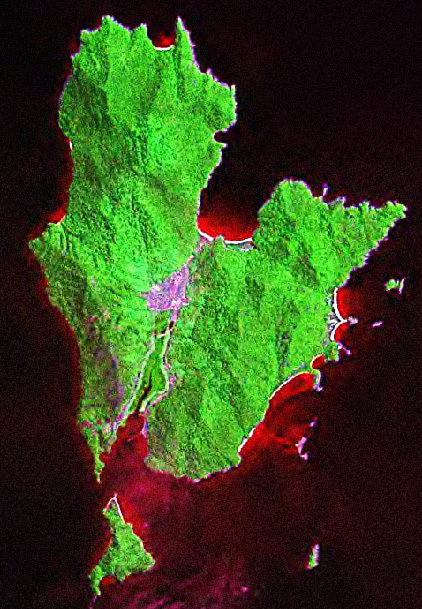
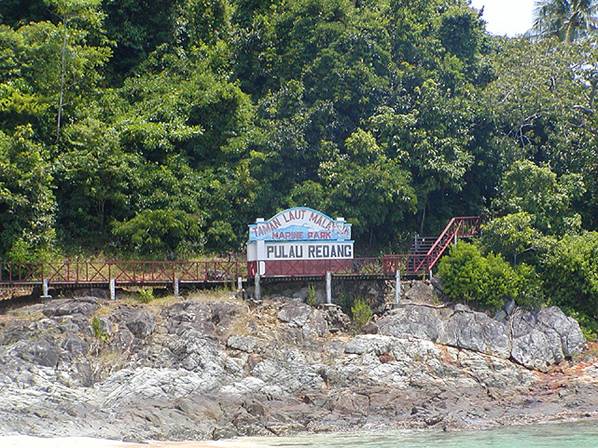
Pulau Redang is a small island located off of the eastern coats of western Malaysia in the South China Sea.  It is one the most pristine islands in the world of coral reef teeming with tropical fish, bright blue water, and untouched rainforest.  Resorts are beginning to pop up on the island, however, drawing thousands of tourists from Asia and Europe and leading to deforestation, landslides, water quality and quantity problems, and the death of some coral reefs littered with trash and pollution.  We traveled to Pulau Redang and our job was to explore the island and its waters, and develop a plan of research and field data collection to address some of these problems.  We were awake well into that night planning our strategy at the research camp on our own private, small uninhabited island near Pulau Redang. 


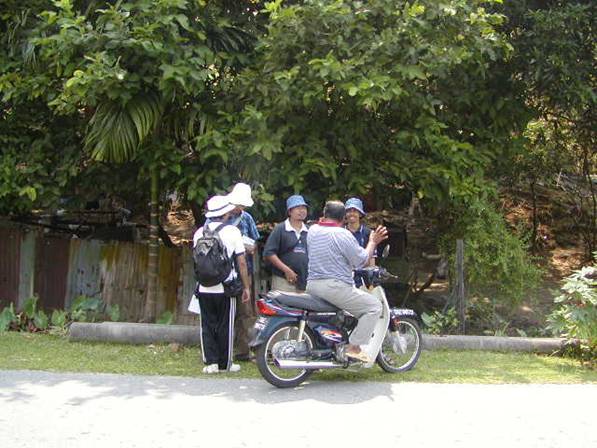
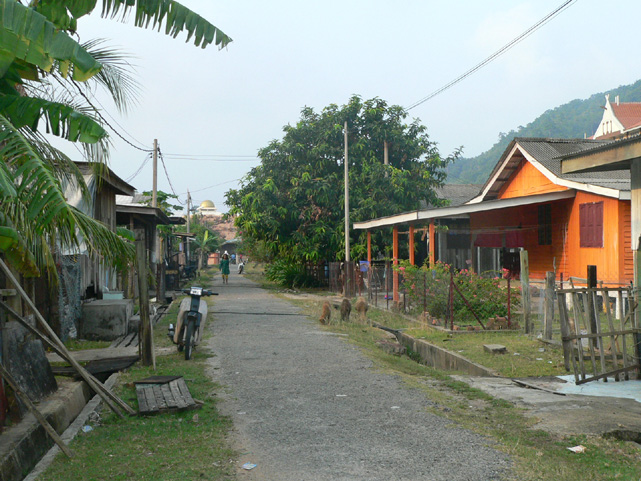
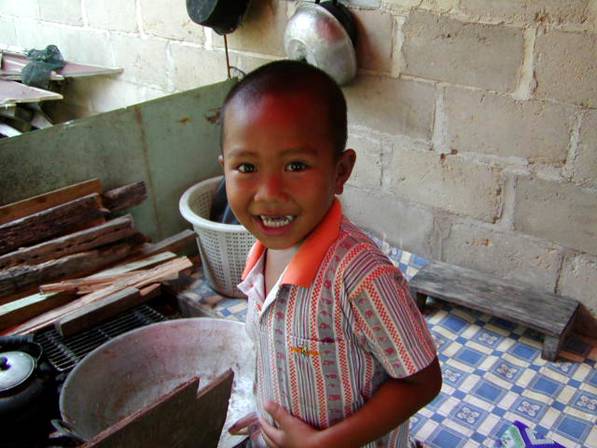
The researchers split up into three groups—a freshwater group, a marine group, and a forestry group.  I was a leader of the freshwater group, which consisted of another UK researcher and three Malaysian researchers.  Our group aimed to explore issues of water quality and quantity, particularly the dynamic between the local villagers and the intensifying resorts.  We first set out to immerse ourselves in the village.  Equipped with a set of questions for semi-structured interviews and translators, we delved deep into the small village (population of 600-1,200) to talk with the locals.  As we walked down the road from the coast to the village, a man on a motorcycle stopped to have a chat with us.  It turned out that this random guy was actually the head of the village and he took off down the road with one of our Malaysian researchers in tow.  When the four of us finally reached the village, we split into two groups of two to go door to door.  My Malaysian translator, Rosmadi, was at first nervous because the suspicious locals generally do not talk to outsiders.  However, when Rosmadi introduced me as a curious student from the UK the locals completely opened up to us so that I could bring back knowledge of their village to the West.  Of course, I just sat there during the interview looking at the interview answers as Rosmadi wrote them down.  Every now and then I would add some questions related to the answers.  Many of the villagers had small children who would sit down and stare at me with fascinated bewilderment.  I, in turn, made silly faces at them and made origami ninja stars for the small boys who were getting picked on by their older brothers.  The children, not having many possessions in their simple homes, were thrilled.


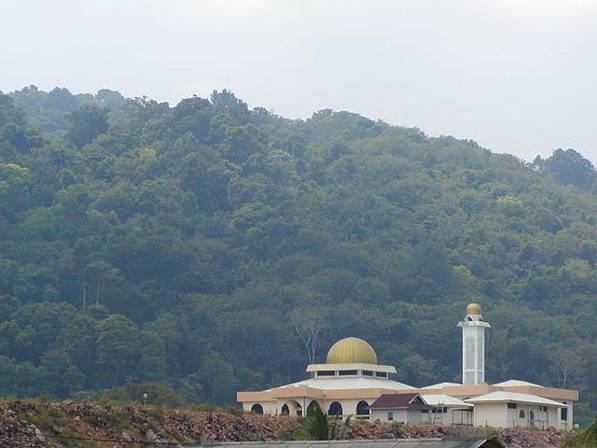
We met up with the head of the village and our appropriated Malaysian friend.  It turned out that the head of the village was also the Imam—the religious head (analogous to a priest or rabbi).  We chatted with him for a bit until he had to go prepare for the Friday prayer—that Friday happened also to be a special holiday and the Mosque was to be exceptionally filled.  Seizing on this rare opportunity, we decided to split the group again to have some of us focus on the Mosque and the religious aspects of water conservation.  Fortunately, the other UK researcher is Muslim so he could attend the prayer with the Malaysians.  I, however, was left with the women, who are traditionally not allowed to attend the Mosque.  The women, in fact, are the unspoken voice behind water conservation, education, and managing the home.  Our group of all men was worried that we would be unable to interview the women without a woman in our group.  The women, however, seemed to take an interest in me and when my translators returned we discovered that we had all been invited to lunch and that I had twice been requested to attend.  Our group seized on this interest in me as an opportunity to interview the women, and we ended up with more interviews of females than males.  The Malaysian women back at the research camp teased me and said that I had probably received a few marriage proposals!  During the afternoon prayer while the Muslims were reading the Quran, I too read passages from the Quran in a book on water conservation and Islam.  After finishing the afternoon with some more door-to-door interviews, we met up with our boat transport back at the coast at our scheduled departure time.  But, we were told that we could not leave the island for another 1.5 hours.  I was keen to do more interviews, but our translators were quite tired, understandably.  Thus, we decided that if we work hard, then we play hard so we headed to the nearby evil resort (largest on the island), and went swimming in their pool, snorkeled around the beach, and relaxed with a few drinks on the lounge chairs.


The next day was dedicated to investigating water issues related to the resorts.  Initially, I was going to dress as a businessman and inquire about leading a group to each hotel as a means of extracting information about hotel occupancy and water usage rates.  But, in the end we simply went as curious tourists who studied hydrology in school back in England.  We were able to learn much about water usage and quality from the managers, though a few were still quite suspicious of us.  We found out that some resorts throw the government water conservation guidelines away.  Some resorts reported no water quality problems, whereas other resorts admitted that all of the resorts have water quality problems.  We also interviewed the staff—pool guys, handymen, etc.  This is where the most interesting information came out.  For example, a manager at one resort said that they never have any water shortages, but even if they did they would take water from another source.  The pool guy, however, revealed that under recurring periodic water shortages the resorts cut the water supply to the staff housing.

Our private island.


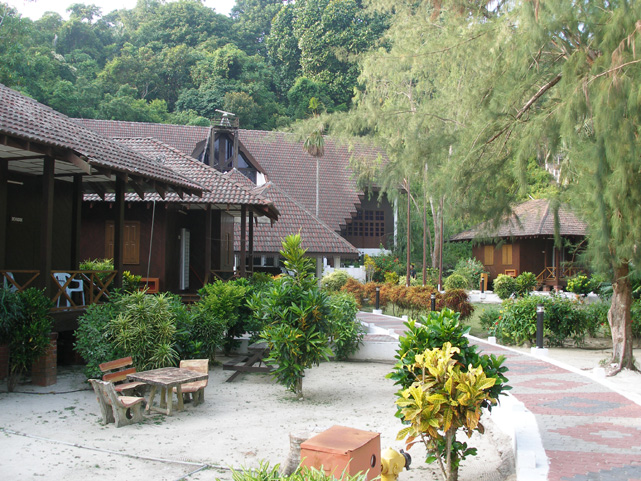
Some of the huts.


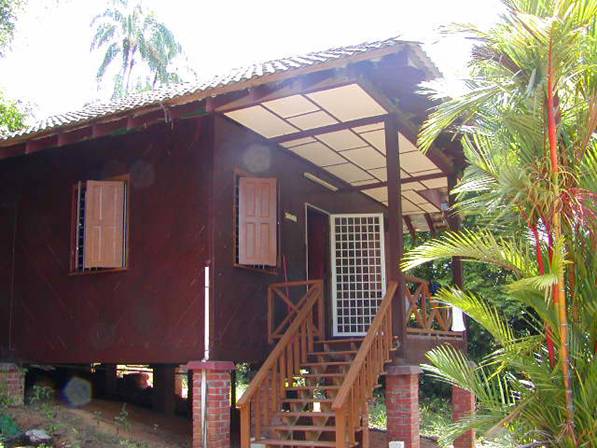
The highest-elevation hut, also mine.


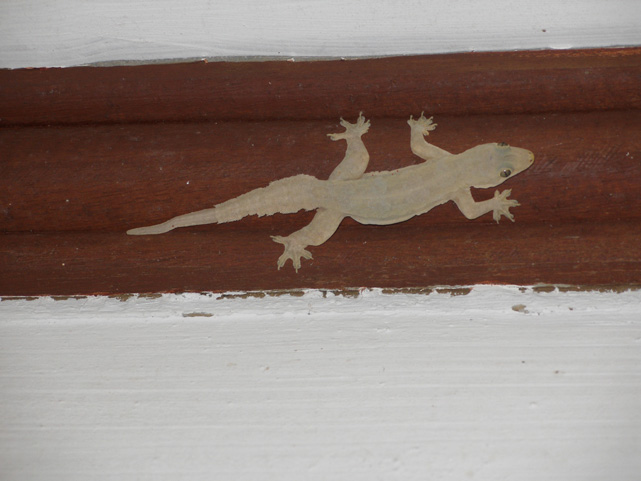
Our hut doubled as a zoo.


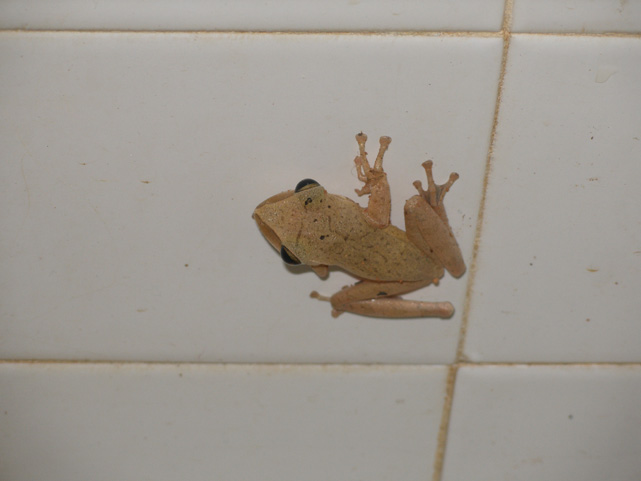
Who needs bath toy froggies when you’ve got the real thing!


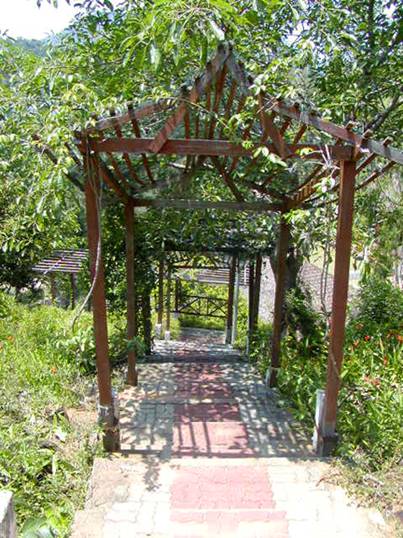
The path down.


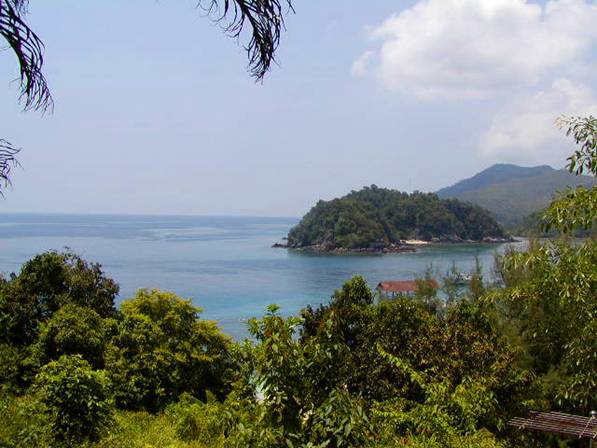
Although the guys had to trek up the hill to get to our huts, we did have a nice view.


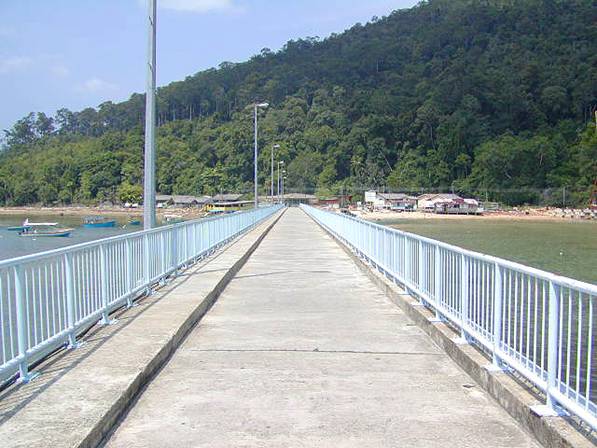
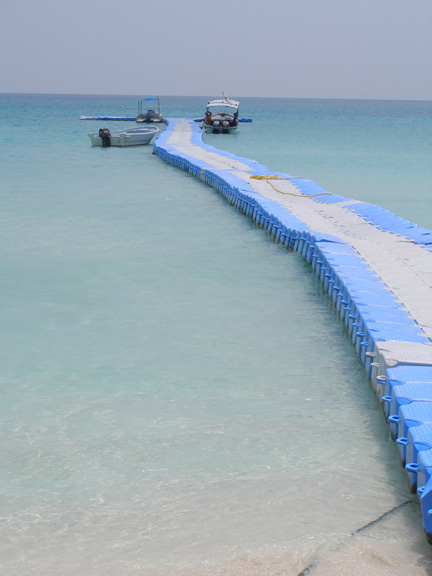
Sturdy pier.


Not so sturdy pier.


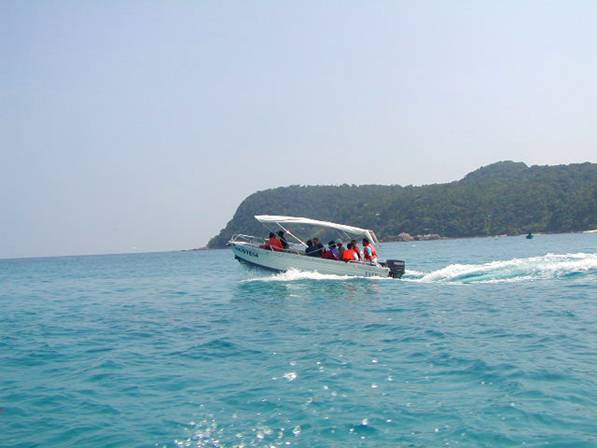
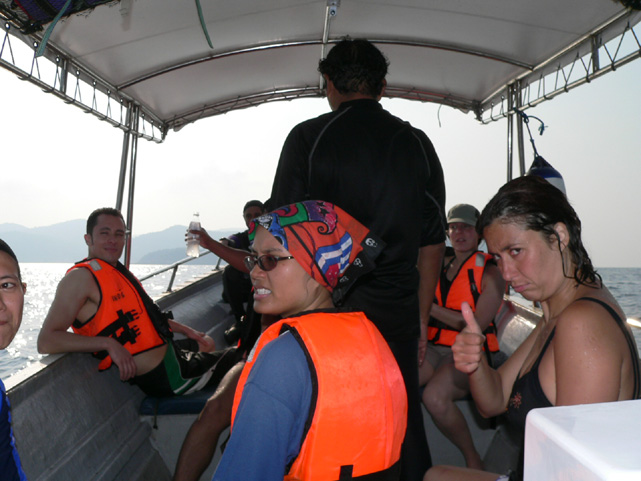
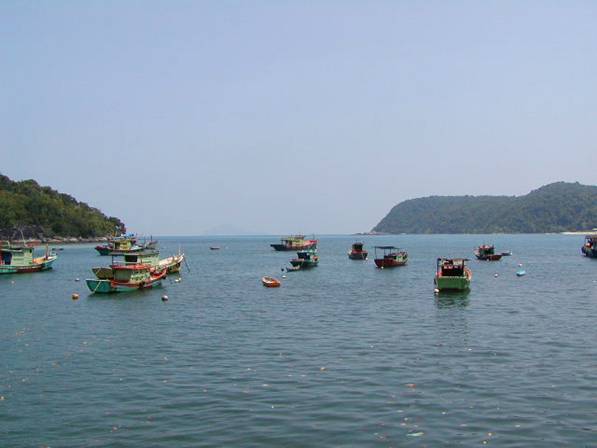
Our daily commute.


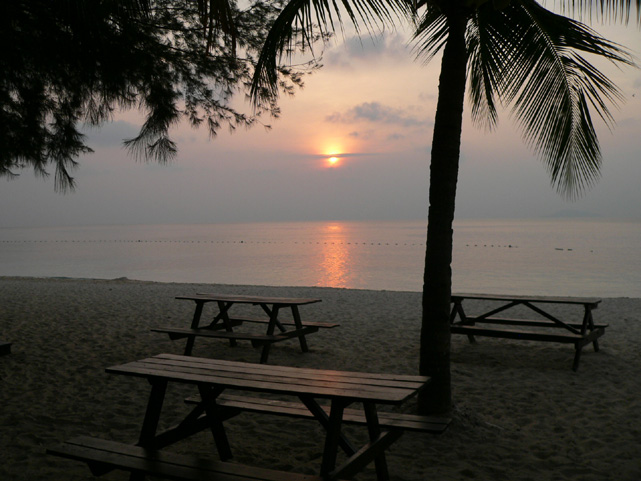
All is well on the South China Sea.


Traffic.


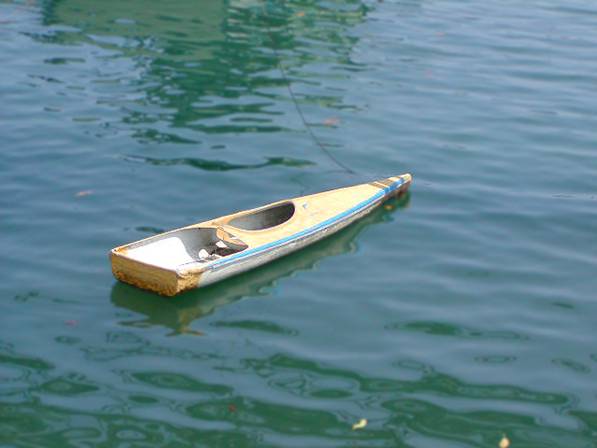
The Mini of boats.


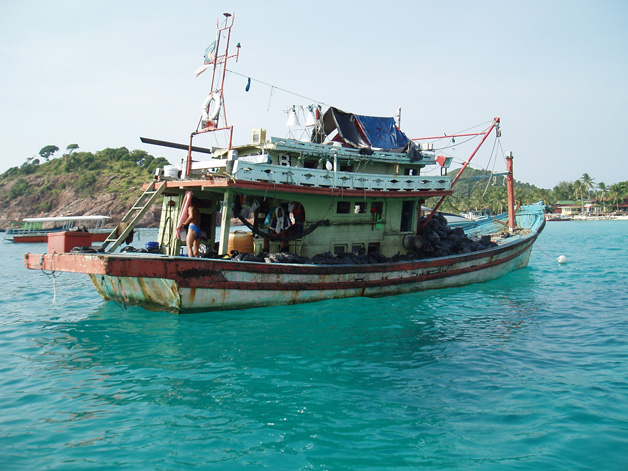
Sturdy as ever.


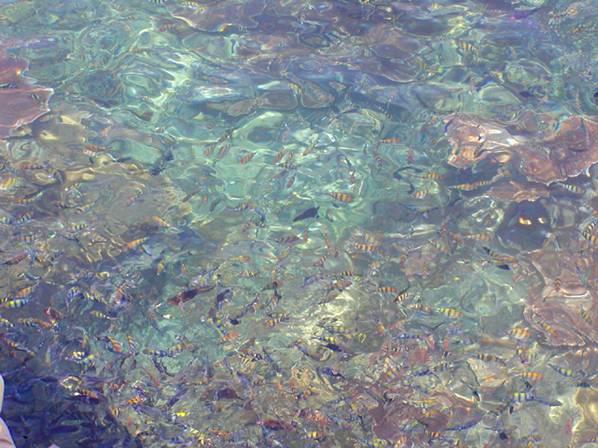
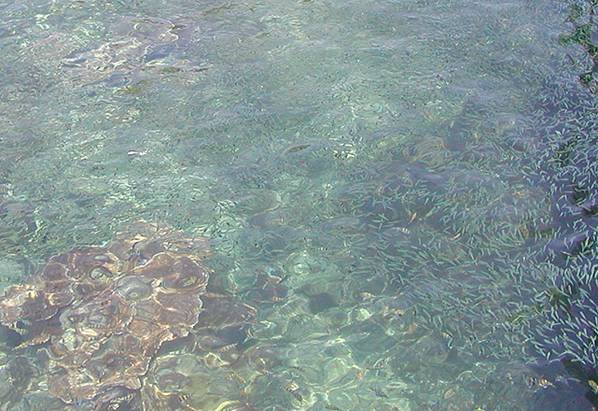
Tropical fishies!


When schools get over-crowded.


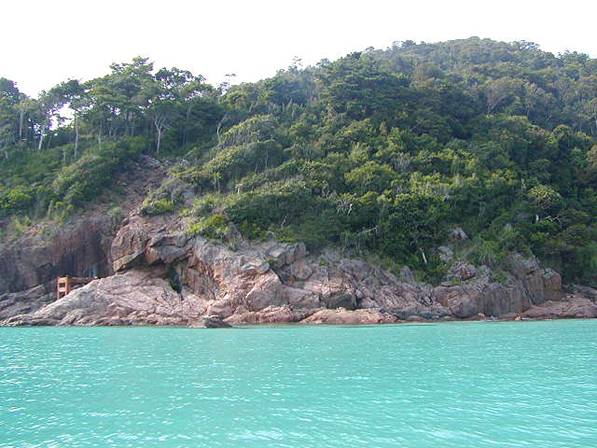
Ah the blue waters.


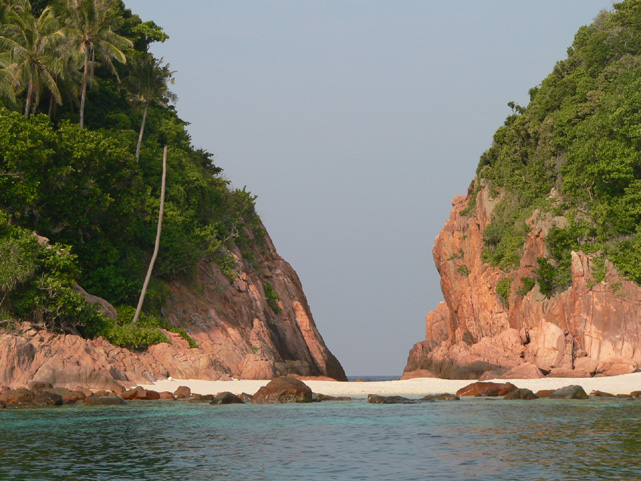
This was a fun little spot where the waves would come through the narrow opening and throw you back up onto the beach.  We called it laundry machine.


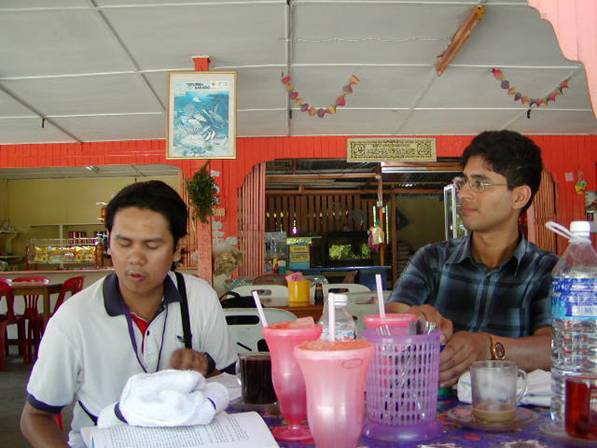
We started our work out in a café where we interviewed the staff and managers after some sugary lemon iced teas.


This random guy stopped by on his motorcycle to talk.  He ended up being the head of the village and also the religious head.


The village mosque.


We went door-to-door with our interviews.


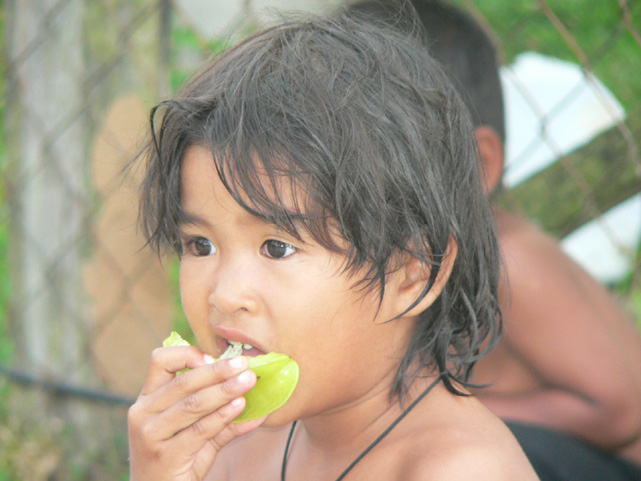
This boy was pleased with the ninja star I made for him.


Yum fruit.


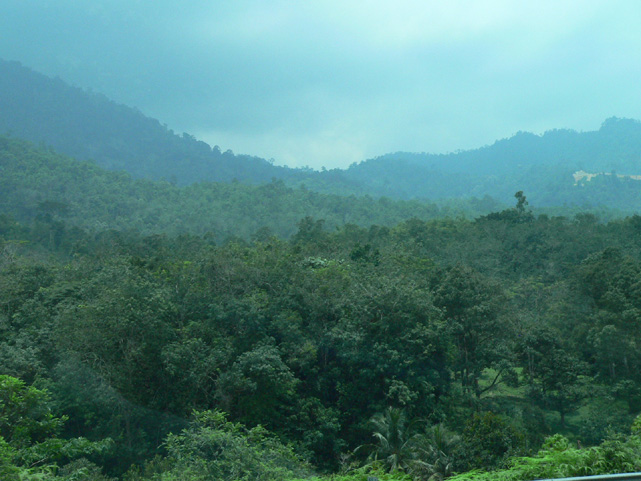
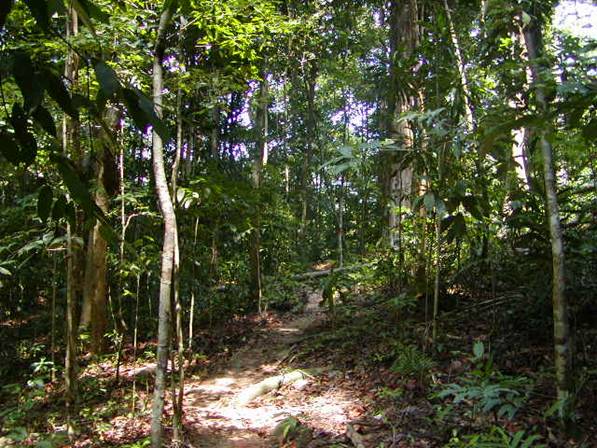
We ventured into thick jungles.


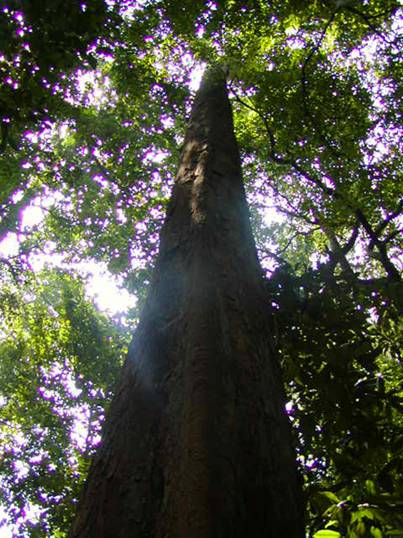
Ooh, carbon storage.


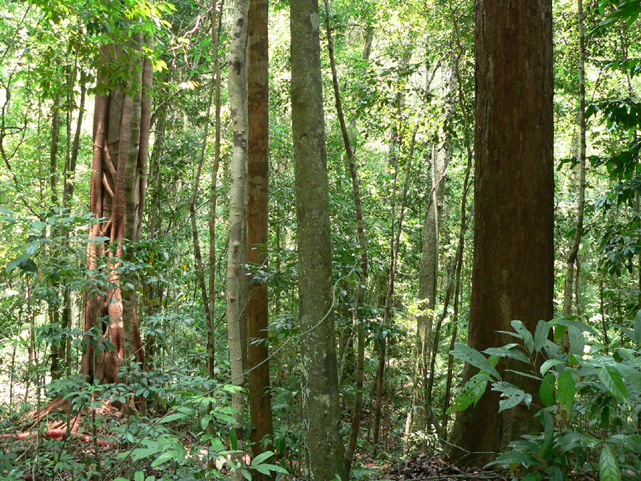
Biodiversity.


A path across the island.


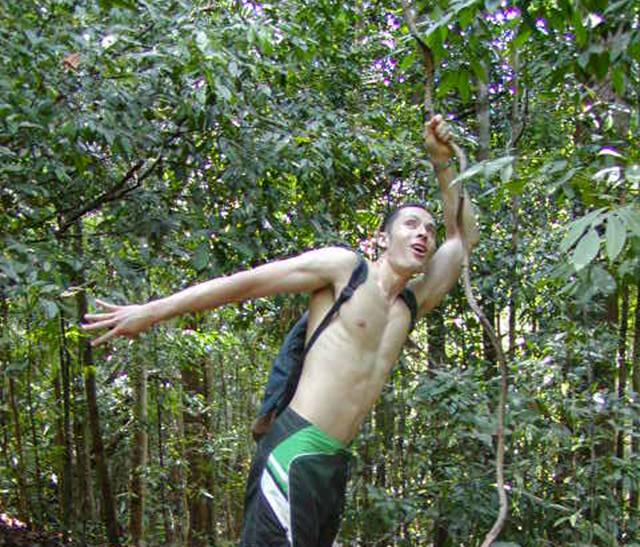
Josh Josh Josh of the jungle, watch out for that treeeee!!


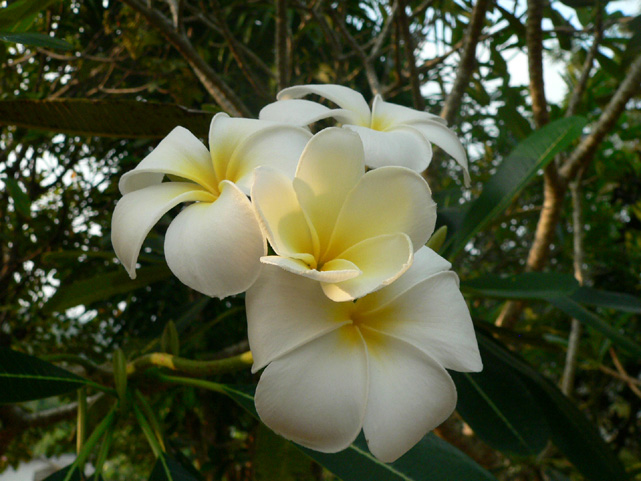
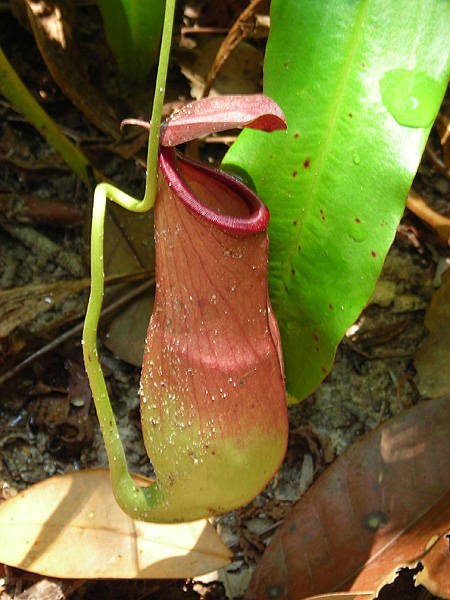
Rainforest flora.


Not a good place to keep your mobile phone.


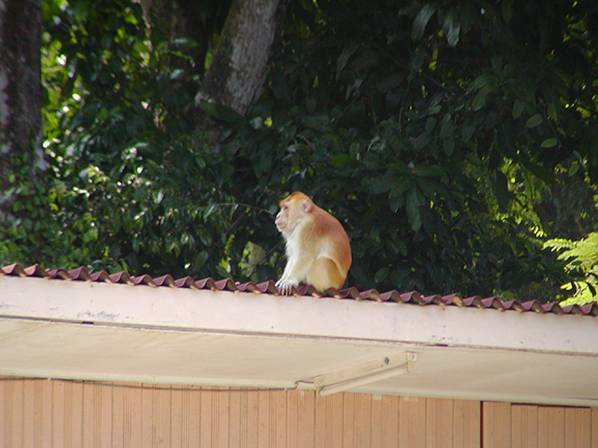
Rainforest fauna.


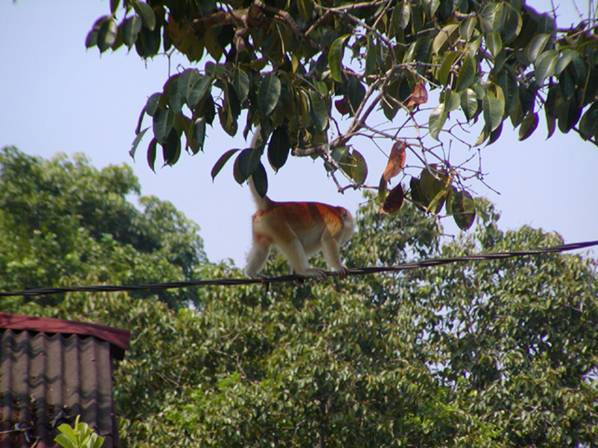
On the move!


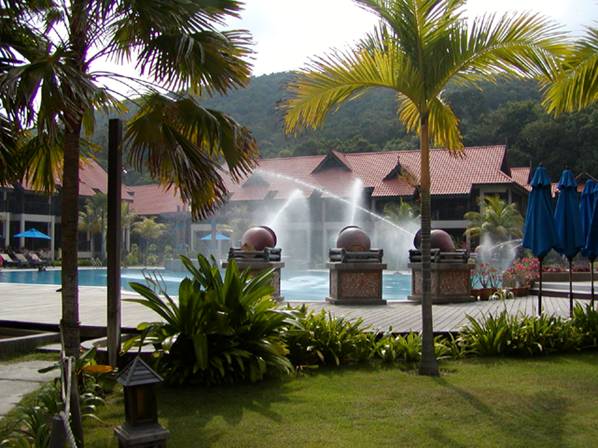
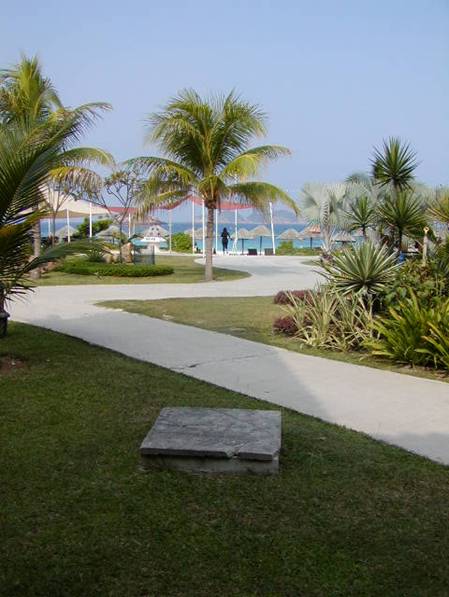
We visited the lush resorts.  (Lush in the drunken tourist way, not in the rich biodiversity sense).


Waiting to meet with a resort manager.


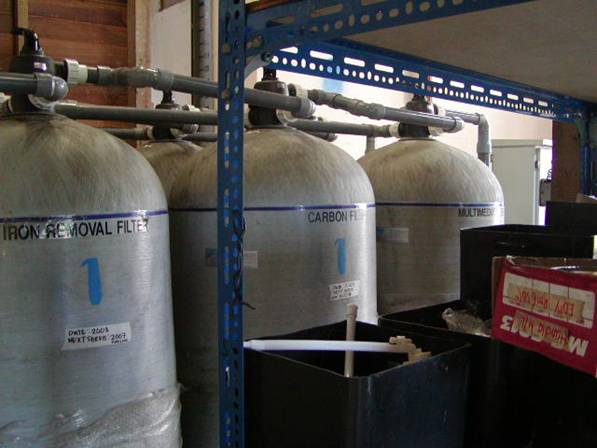
We examined the water quality purification systems.


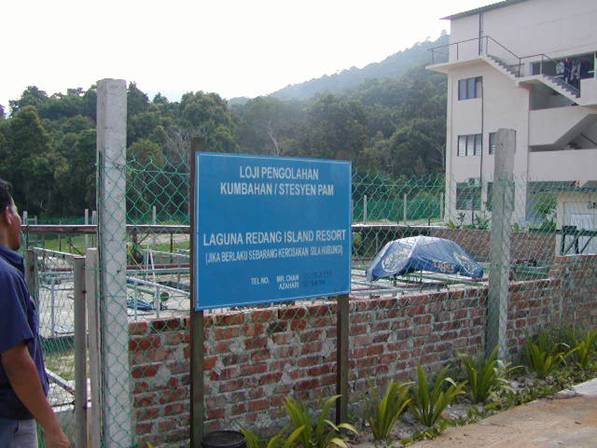
Wastewater treatment plant.  Also source of Tiger beer.


We asked how the resorts treat their workers.


A groundwater well contaminated by salt-water encroachment.  You can see how close the seawater is in the picture.


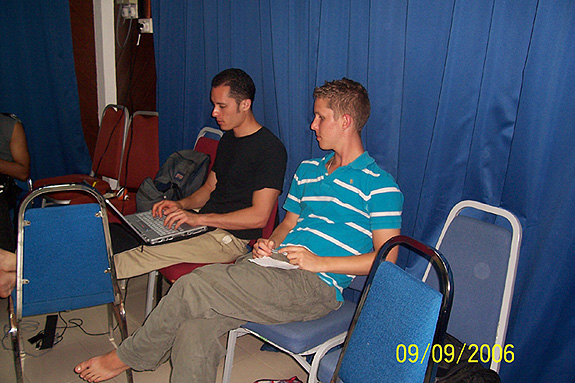
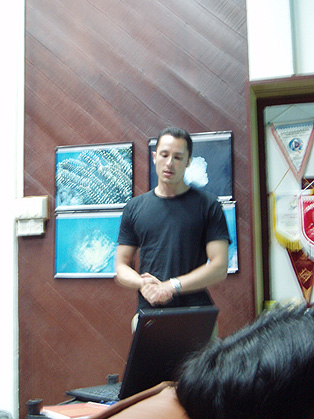
Working on our presentation.


“And this is where I asked the manager, ‘What do you do with your water use guidelines?’ and he replied, ‘Oh, we just throw them under the rug.’”


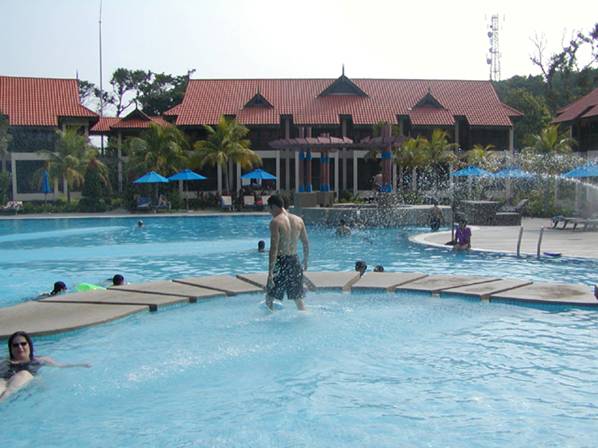
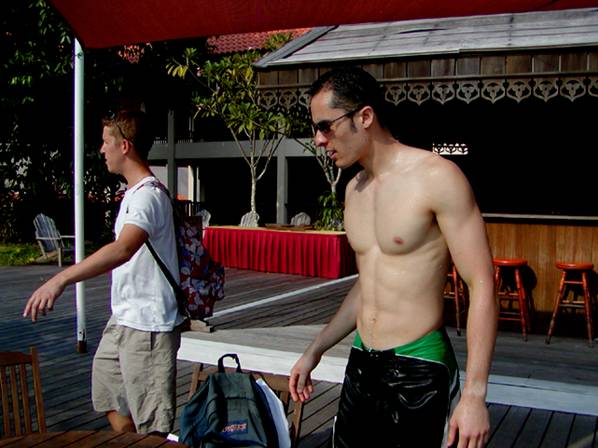
We work hard and we play hard.


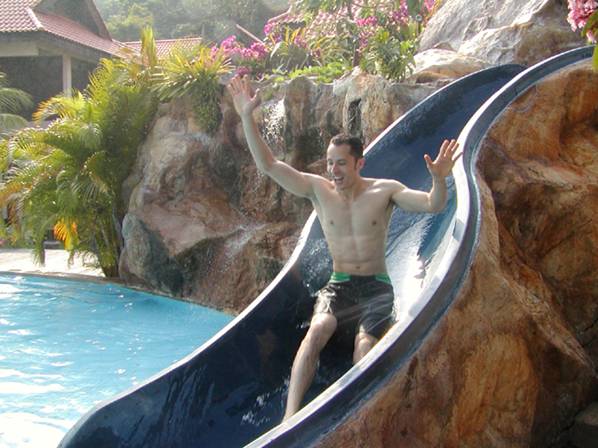
This is the part where I play hard.


Sprayed by water cannon.


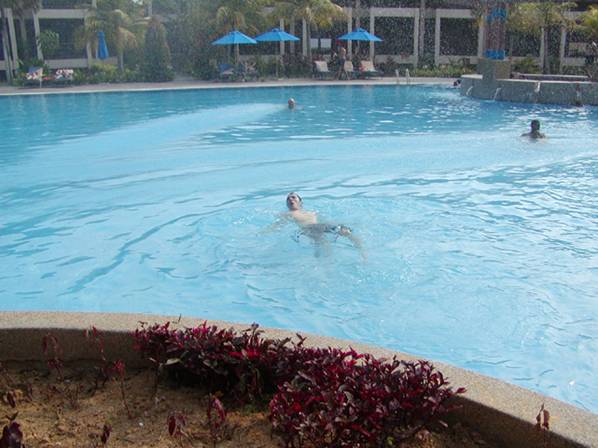
That was some good swimming pool data collection.


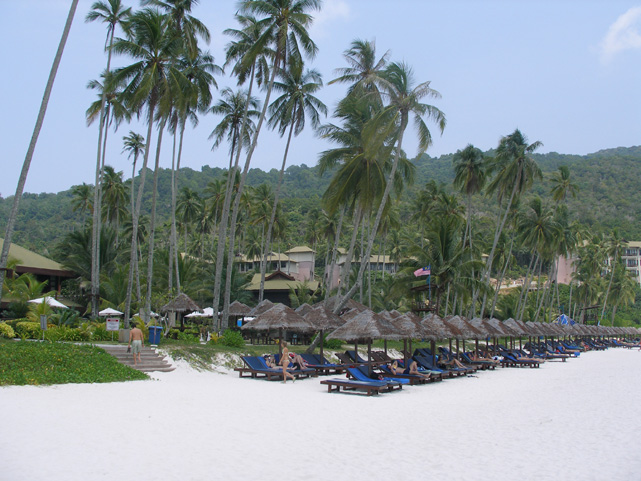
While waiting for another group to return, we lied out on these beach loungers and sipped fruity cocktails.


The Malaysia trip was wholly enriching intellectually, culturally and spiritually.  Spending time in a Muslim country, especially in an age where the West is alienating Islam, was valuable.  I came to realize that Islam, Christianity and Judaism all originate from the same roots, all believe in the same God, and all preach morality and peace.  Fighting among and between these religions really is astonishing to me given that the reasons are over petty differences rather than the overall picture.


Our organizers spent a lot of time and energy logistically planning a diverse and productive trip.  I could have easily been stuck at Universiti Malaya in KL the entire week.  I was able to experience Malaysia in a way no ordinary tourist could—not only did I visit the touristy sites, but I was led all around the off-beaten track, covered different cities and ecosystems, connected with Malaysian counterparts, investigated remote villages, and actually collected meaningful data.  Oh, and it was all free.